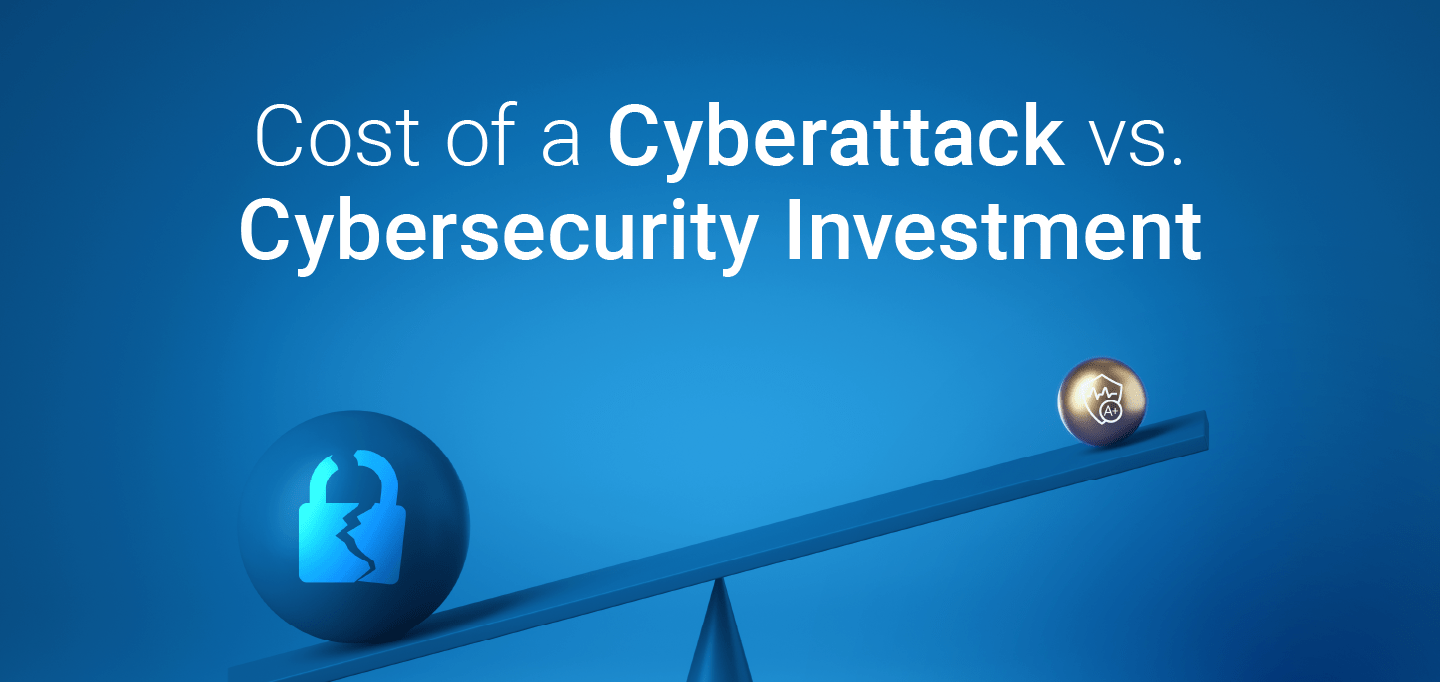
Cyber attacks are no longer rare, isolated incidents—they are a constant and growing threat to businesses of every size. As companies accelerate digital transformation, expand remote work, and rely more heavily on cloud services, cybercriminals are finding new and more sophisticated ways to exploit vulnerabilities. The result is a sharp rise in both the frequency and the cost of cyber attacks, making cybersecurity a critical business investment rather than a technical afterthought.
Cyber Attacks Are Becoming More Expensive Than Ever
The financial impact of cyber attacks has increased dramatically in recent years. Data breaches, ransomware incidents, and system outages now cost businesses far more than just immediate recovery expenses. Organizations often face a combination of losses, including business downtime, legal penalties, regulatory fines, reputational damage, and long-term customer churn.
For many companies, a single cyber incident can disrupt operations for days—or even weeks—leading to lost revenue and strained relationships with clients and partners. Small and mid-sized businesses are especially vulnerable, as they often lack the resources to recover quickly from major attacks.
Ransomware and Data Breaches Lead the Threat Landscape
Among the most damaging cyber threats today is ransomware. Attackers encrypt critical business data and demand large payments to restore access. Even when ransoms are paid, recovery is not guaranteed, and businesses may still suffer data loss or repeated attacks.
Data breaches are equally costly. When sensitive customer or employee information is exposed, companies may face legal action, compliance penalties, and loss of trust. In industries such as finance, healthcare, and e-commerce, the consequences can be severe and long-lasting.
Why Businesses Are Prime Targets
Cybercriminals are increasingly targeting businesses because they store valuable data and rely on uninterrupted digital operations. Common factors that make businesses vulnerable include:
- Outdated software and unpatched systems
- Weak passwords and poor access controls
- Lack of employee cybersecurity awareness
- Inadequate monitoring and incident response plans
As businesses grow more connected, even a single weak entry point—such as a phishing email or unsecured device—can lead to a large-scale security breach.
Cybersecurity Is Now a Business Risk, Not Just an IT Issue
One of the biggest misconceptions is that cybersecurity is solely the responsibility of IT teams. In reality, cyber risk is a business risk that affects revenue, brand reputation, and long-term growth.
Executives and leadership teams are now expected to play an active role in cybersecurity planning. Investors, customers, and regulators increasingly evaluate companies based on how well they protect data and manage digital risks. A strong cybersecurity posture has become a sign of operational maturity and trustworthiness.
The Cost of Prevention Is Lower Than the Cost of Recovery
While investing in cybersecurity may seem expensive, it is far more cost-effective than dealing with the aftermath of an attack. Preventive measures—such as security audits, advanced threat detection, employee training, and regular system updates—can significantly reduce risk.
Modern cybersecurity strategies focus on:
- Proactive threat monitoring and detection
- Zero-trust access controls
- Regular data backups and recovery planning
- Employee awareness and training programs
These investments not only prevent attacks but also help businesses respond faster and recover more efficiently when incidents occur.
Cybersecurity as a Competitive Advantage
In today’s digital-first economy, strong cybersecurity can actually give businesses a competitive edge. Customers are more likely to trust organizations that demonstrate responsibility in protecting personal and financial data. Companies with robust security frameworks are also better positioned to adopt new technologies without increasing risk.
As cyber threats continue to evolve, businesses that prioritize cybersecurity will be more resilient, adaptable, and credible in the eyes of stakeholders.
Conclusion
The rising cost of cyber attacks is a clear warning for businesses across all industries. Cybersecurity is no longer optional, nor is it just a technical safeguard—it is a strategic investment essential for survival and growth. By investing in strong cybersecurity measures today, businesses can protect their assets, maintain customer trust, and build a secure foundation for the future.