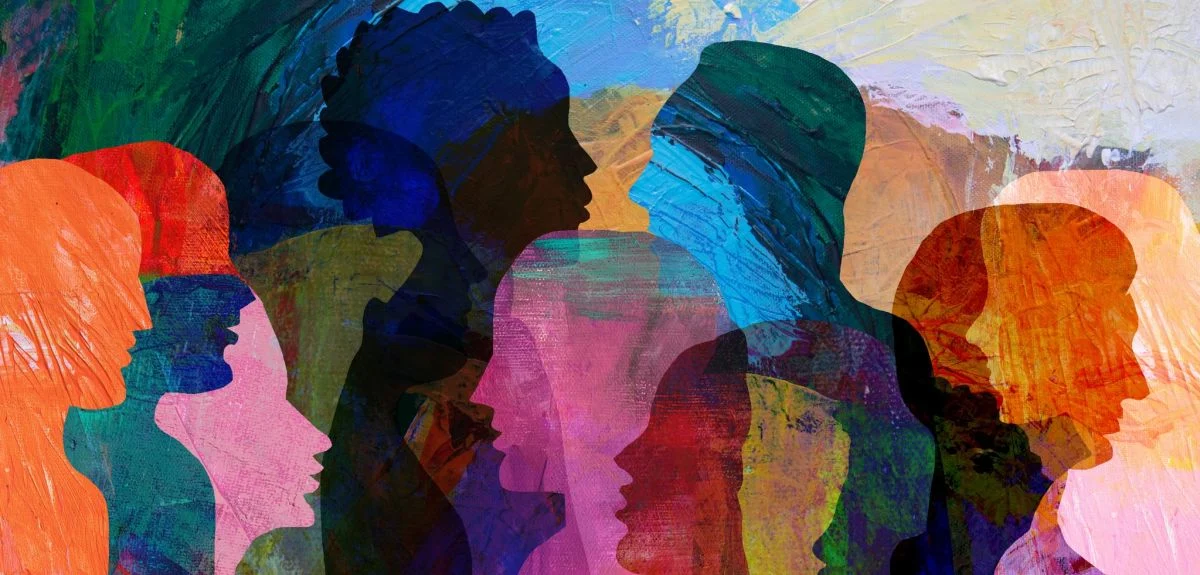
In 2026, multiculturalism is no longer just a social concept—it is a lived reality shaping how people work, travel, communicate, and express themselves. As borders become more connected through technology, migration, and global collaboration, cultures are no longer isolated. Instead, they influence one another daily, creating a richer, more interconnected global society.
The Evolution of Multiculturalism
Multiculturalism has evolved from coexistence to collaboration. In earlier decades, cultural diversity often meant communities living side by side. In 2026, it means shared spaces, blended traditions, and cross-cultural innovation. Global cities, digital platforms, and workplaces now thrive on cultural exchange rather than uniformity.
Digital Platforms as Cultural Bridges
Social media, streaming platforms, and online communities have played a major role in accelerating multiculturalism. Music, fashion, language, and traditions travel instantly across continents. A trend that starts in one country can influence global audiences within hours, allowing cultures to connect and inspire one another like never before.
Multiculturalism in Work and Business
Modern workplaces in 2026 are increasingly diverse. Companies actively embrace multicultural teams to drive creativity and innovation. Different cultural perspectives lead to better problem-solving, inclusive leadership, and products that resonate with global audiences. Diversity is no longer optional—it is a strategic advantage.
Cultural Influence on Fashion, Food, and Lifestyle
Multiculturalism is deeply visible in everyday life. Fashion blends traditional designs with modern aesthetics. Global cuisines are celebrated, with fusion foods becoming mainstream. Wellness practices, festivals, and art forms are shared across cultures, enriching daily experiences and promoting mutual respect.
Education and Cultural Awareness
Education systems in 2026 emphasize cultural awareness and global citizenship. Students are encouraged to understand different traditions, languages, and histories. This approach helps foster empathy, reduce stereotypes, and prepare younger generations for a diverse and interconnected world.
Challenges and Opportunities
While multiculturalism brings growth and creativity, it also requires understanding and inclusion. Respecting cultural differences, addressing inequality, and promoting dialogue remain essential. Societies that invest in inclusion benefit from stronger communities and social harmony.
The Future of a Global Society
Multiculturalism in 2026 is shaping a world where diversity is seen as strength. Shared cultural experiences are building bridges across borders, encouraging cooperation and understanding. As societies continue to evolve, embracing multiculturalism will be key to a more inclusive and united global future.
Conclusion
In 2026, multiculturalism defines how the world connects, creates, and grows together. By embracing diverse cultures, societies are not losing their identities—they are expanding them. The future belongs to those who celebrate diversity, practice inclusion, and recognize that global unity begins with cultural respect.