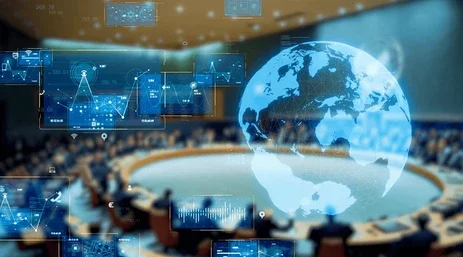
As the world moves through 2026, global affairs are being shaped by rapid geopolitical shifts, economic realignments, technological acceleration, and pressing social challenges. Nations are navigating a more interconnected yet fragmented world, where decisions in one region can have far-reaching global consequences. Understanding these developments is essential to grasp where the world is headed.
1. A Multipolar World Order
One of the defining features of global affairs in 2026 is the continued move toward a multipolar world. Power is no longer concentrated in a single region or among a few nations. Emerging economies are playing a larger role in global decision-making, while traditional powers are adapting to changing influence dynamics.
This shift is reshaping international diplomacy, trade partnerships, and global institutions, making cooperation both more complex and more necessary.
2. Geopolitical Tensions and Diplomacy
Geopolitical tensions remain a key concern in 2026. Territorial disputes, regional conflicts, and strategic rivalries continue to test international diplomacy. At the same time, renewed efforts at dialogue, peace talks, and multilateral cooperation highlight the global desire to prevent escalation and maintain stability.
Diplomacy in 2026 is increasingly focused on balancing national interests with collective security and long-term peace.
3. Global Economy and Trade Realignments
The global economy in 2026 is marked by cautious growth and strategic recalibration. Nations are rethinking supply chains, prioritizing economic resilience, and exploring new trade alliances. Inflation control, energy security, and digital economies are central topics in global economic discussions.
Developing nations are seeking greater representation in economic forums, while developed economies focus on sustainability and innovation-led growth.
4. Climate Change and Environmental Action
Climate change remains one of the most urgent global challenges in 2026. Extreme weather events, resource scarcity, and environmental degradation continue to impact economies and communities worldwide.
Global affairs increasingly revolve around climate agreements, clean energy transitions, and sustainable development goals. Cooperation between governments, businesses, and international organizations is critical to addressing these shared challenges.
5. Technology, Cybersecurity, and Global Governance
Technology is playing a larger role in shaping global affairs than ever before. Artificial intelligence, digital infrastructure, and cybersecurity have become matters of national and international security.
Countries are working to establish global norms for technology governance, data protection, and cyber defense, recognizing that digital threats can cross borders instantly.
6. Humanitarian Issues and Migration
Migration, refugee crises, and humanitarian challenges continue to influence global affairs in 2026. Conflicts, climate change, and economic disparities are driving population movements across regions.
International cooperation is essential to address humanitarian needs while balancing border security, social integration, and human rights.
7. The Role of Multilateral Institution
Global institutions remain central to managing international challenges. In 2026, there is increased debate about reforming these institutions to better reflect current global realities and ensure fair representation.
Efforts to strengthen multilateral cooperation highlight the understanding that global problems require collective solutions.
Conclusion
The state of the world in 2026 is defined by complexity, interdependence, and transformation. From geopolitics and economics to climate action and technology, global affairs are evolving rapidly. While challenges remain significant, opportunities for collaboration and progress are equally present.
Staying informed about major global affairs is not just about understanding world events—it is about recognizing how interconnected the future of all nations truly is.