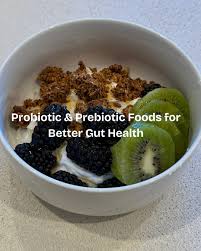
Gut health has become a major focus of modern nutrition, and in 2026, probiotic and prebiotic foods are no longer considered optional—they are essential. With growing awareness about the gut microbiome and its impact on digestion, immunity, mental health, and overall well-being, people are paying closer attention to what they eat to support a healthier gut.
Understanding Probiotics and Prebiotics
Probiotics are live beneficial bacteria that help maintain a balanced gut microbiome. They support digestion, strengthen the immune system, and promote nutrient absorption.
Prebiotics, on the other hand, are non-digestible fibers that feed and nourish these good bacteria. Together, probiotics and prebiotics work as a powerful team to maintain optimal gut health.
Why Gut Health Matters More in 2026
Modern lifestyles, stress, processed foods, and frequent antibiotic use have disrupted natural gut balance. Research in recent years has highlighted the strong connection between gut health and overall wellness, including mental clarity, metabolism, and immune defense.
In 2026, nutrition trends emphasize prevention rather than treatment, making probiotic and prebiotic foods a key part of daily diets.
Top Probiotic Foods to Include
Probiotic-rich foods are naturally fermented and easy to incorporate into meals:
- Yogurt with live cultures
- Kefir
- Fermented vegetables like sauerkraut and kimchi
- Miso and tempeh
- Traditional fermented foods
These foods help replenish beneficial bacteria and improve digestive health.
Best Prebiotic Foods for a Healthy Gut
Prebiotic foods provide nourishment for good bacteria and support gut diversity:
- Bananas
- Garlic and onions
- Whole grains
- Oats and barley
- Legumes and lentils
Regular consumption of prebiotic foods enhances the effectiveness of probiotics.
The Role of Probiotics and Prebiotics in Immunity
A large portion of the immune system resides in the gut. Probiotic and prebiotic foods help strengthen immune responses by maintaining a healthy microbial balance, reducing inflammation, and improving the body’s natural defense mechanisms.
Gut Health and Mental Well-Being
In 2026, the gut–brain connection is widely recognized. A healthy gut contributes to better mood, reduced stress, and improved cognitive function. Probiotic and prebiotic foods play a role in supporting mental well-being by influencing neurotransmitter production and reducing gut-related inflammation.
How to Add Them to Your Daily Diet
- Start the day with yogurt or kefir
- Include fermented vegetables with meals
- Add whole grains and legumes to lunches and dinners
- Snack on fruits rich in natural fibers
Consistency is key when building a gut-friendly diet.
Conclusion
Probiotic and prebiotic foods are shaping the future of nutrition in 2026. By supporting digestion, immunity, and mental health, they offer a simple yet powerful way to improve overall well-being. As science continues to highlight the importance of the gut microbiome, incorporating these foods into daily life is one of the most effective steps toward long-term health.