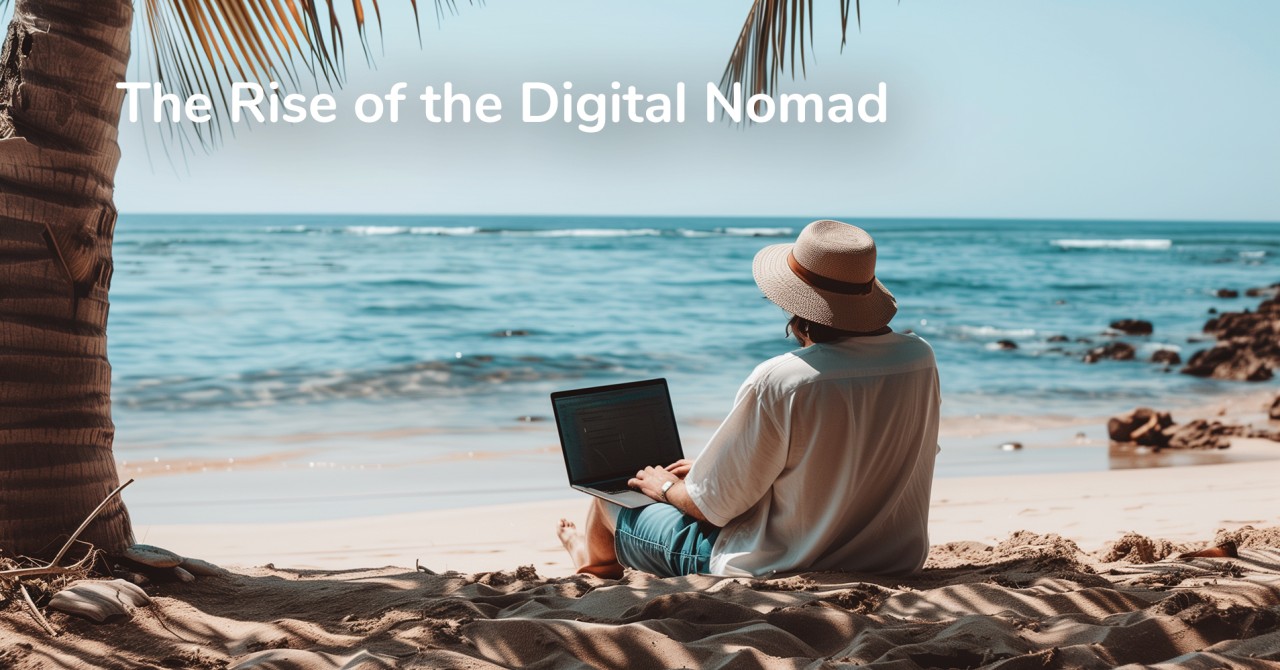
The global travel industry is undergoing a major transformation, and at the heart of this shift is the rise of digital nomad travel. In 2026, remote work is no longer a temporary trend—it is a lifestyle that is reshaping how people travel, where they live, and how destinations design their tourism strategies. From beach towns to tech-enabled cities, digital nomads are redefining modern tourism.
Remote Work Becomes the New Normal
Advancements in technology, widespread high-speed internet, and flexible work policies have made remote work mainstream. Professionals across industries—tech, marketing, design, consulting, and content creation—are no longer tied to physical offices. This freedom has enabled a growing number of people to work from anywhere, fueling the surge in long-term travel and location-independent lifestyles.
Destinations Adapting to Digital Nomads
Countries and cities worldwide are actively courting digital nomads. In 2026, many destinations offer digital nomad visas, extended stay permits, and co-living spaces designed for remote workers. Cities with reliable infrastructure, affordable living costs, and vibrant culture are becoming hubs for nomads, transforming local tourism economies from short-term visits to long-stay experiences.
A Shift From Vacation to Lifestyle Travel
Unlike traditional tourists, digital nomads travel for months rather than days. This has shifted tourism from fast-paced sightseeing to slow, immersive travel. Nomads integrate into local communities, support small businesses, and prioritize experiences such as cultural exchange, wellness, and work-life balance over conventional tourist attractions.
Technology Powering the Nomad Movement
Technology plays a central role in digital nomad travel. Cloud-based tools, AI-powered travel planning apps, virtual collaboration platforms, and global payment systems allow nomads to manage work seamlessly across borders. Smart accommodations with dedicated workspaces, strong connectivity, and digital services are now essential to attracting this growing segment.
Economic and Cultural Impact on Tourism
The rise of digital nomads is creating new economic opportunities for destinations. Long-term stays increase demand for rental housing, co-working spaces, cafes, and local services. At the same time, destinations are learning to balance growth with sustainability, ensuring that local communities benefit without being overwhelmed.
Challenges and Responsible Nomadism
Despite its growth, digital nomad travel presents challenges. Issues such as housing affordability, visa regulations, taxation, and cultural sensitivity are becoming part of the global conversation. In response, 2026 is seeing a stronger emphasis on responsible digital nomadism, encouraging travelers to respect local cultures, contribute economically, and travel sustainably.
The Future of Tourism in a Remote-First World
As remote work continues to evolve, digital nomad travel is set to become a permanent pillar of the tourism industry. Destinations that invest in infrastructure, digital services, and community-focused policies will thrive in this new era. Tourism in 2026 is no longer just about visiting a place—it’s about living, working, and connecting across borders.
Conclusion
The rise of digital nomad travel in 2026 marks a fundamental shift in global tourism. By blending work and travel, remote professionals are reshaping destinations, economies, and cultural exchange. As the world embraces flexible work, digital nomads are leading a new chapter in how we explore and experience the world.